
Record the outside dimensions of each finished unit
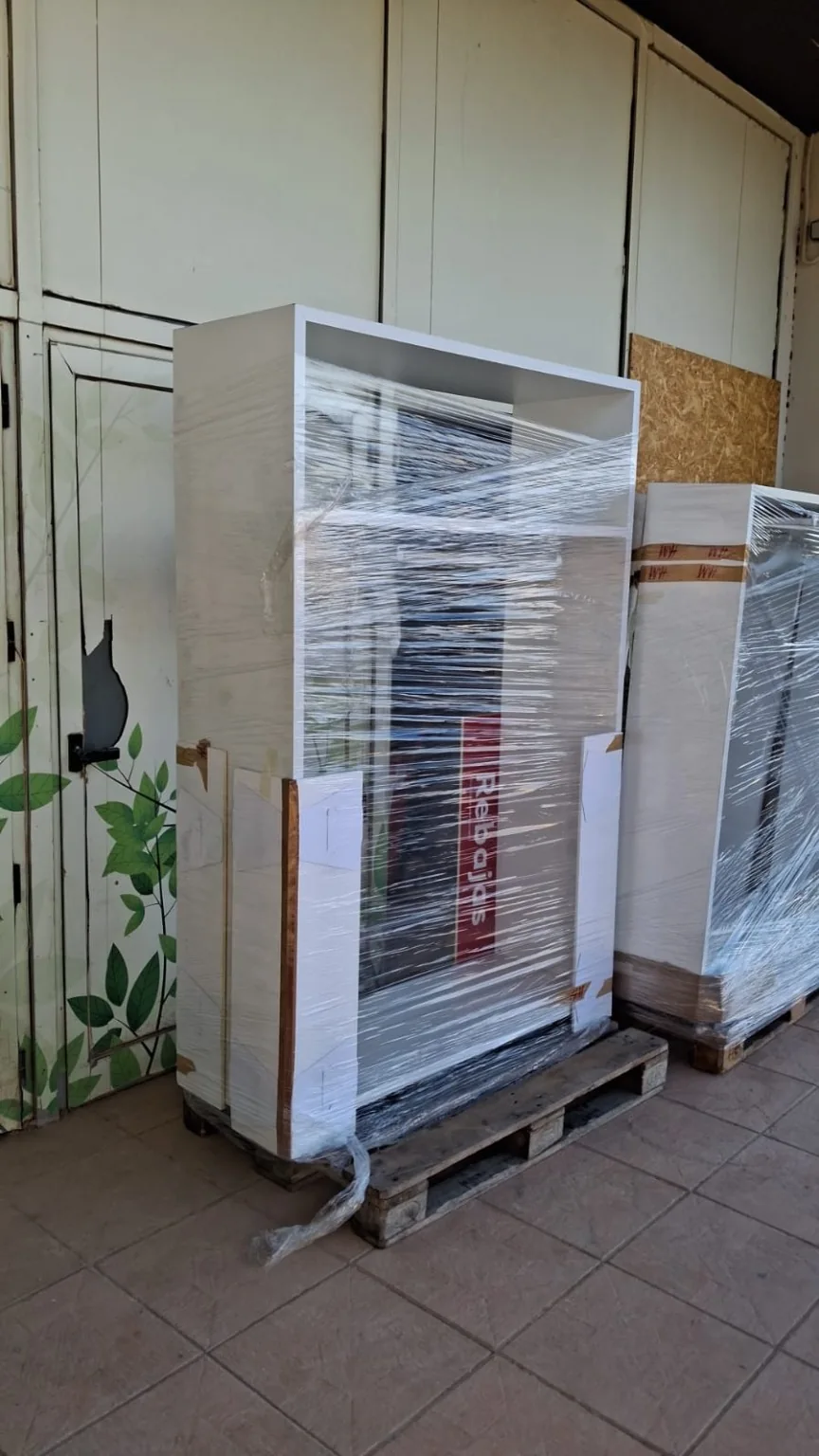
Measure the packed length, width and total height including the pallet, protective frame and anything projecting beyond the base. Give a gross weight for each unit. If a crate sits on a smaller pallet, report the crate’s full footprint rather than describing the whole shipment as a standard-size pallet.
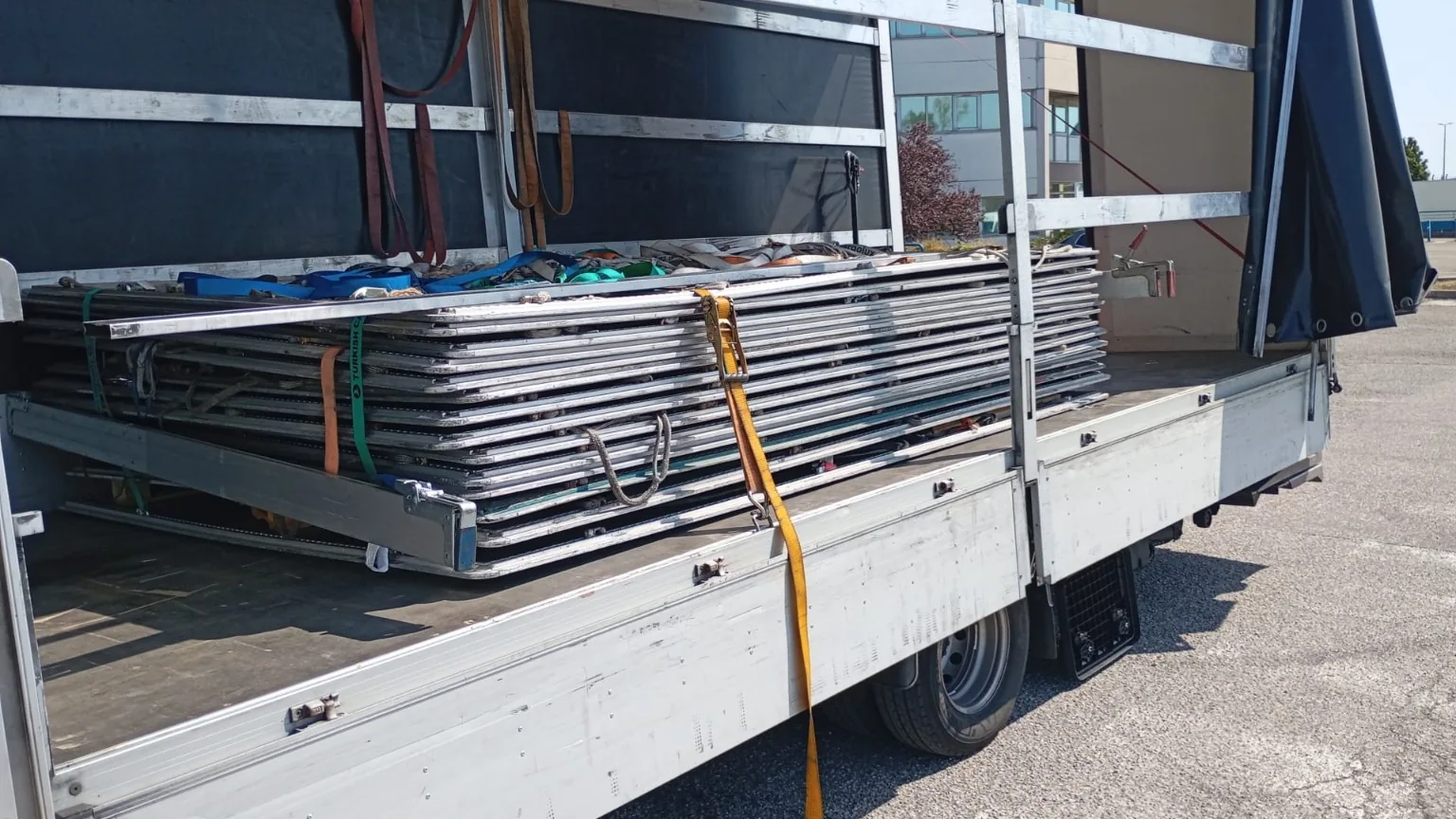
Separate different unit types in the enquiry, with quantities for each specification. Explain upright-only orientation, long sections or a top that must remain clear. Photos help show the shape, but still provide measurements and weights; an image cannot establish the exact occupied space.
State the stacking restriction without guessing a new capacity
Mark the affected units as non-stackable and explain any known packaging or handling restriction. Do not call a unit stackable simply because it has a flat top. Suitability needs assessment from the goods and packaging rather than a promise to make the vehicle plan cheaper.
Non-stackability concerns how capacity can be used, not permission to exceed payload or load-area dimensions. A compact dense consignment can require a different vehicle from a bulky light one. The assessment must consider individual units, total weight, usable space and the proposed loading method together.
Distinguish floor space from cubic volume
Cubic volume describes three-dimensional space, while loading metres describe the length of vehicle floor occupied under the assessed arrangement. They are not interchangeable measures. If you have a supplier’s loading-metre estimate, include it alongside the actual unit dimensions and identify any assumptions about orientation or stacking.
There is no universal conversion from your pallet count to usable loading space for every vehicle. Overhang, mixed widths, fragile tops and access to units can change the layout. I assess the specification rather than apply another carrier’s booking formula or vehicle width to all available options.
Keep the restriction visible through the receiving plan
Confirm collection and delivery equipment, loading direction and any appointment requirement. Identify a unit that must be accessed before another part of the load. A non-stackable label alone does not define lifting points, make the pallet suitable for every handling method or equip the receiver.
If final packaging or quantities change, send the revised specification before dispatch. Ask about the proposed transport arrangement and any intermediate handling when relevant. Shared or dedicated capacity is individually assessed; neither an automatic saving nor a special no-handling guarantee follows from this guide.
| Field | What to send |
|---|---|
| Unit groups | Quantity of each different packed shape or size |
| Outer measurements | Full length, width and height including pallet, frame and overhang |
| Weight | Individual gross weights and total consignment weight |
| Restrictions | Non-stackable units, orientation and known handling constraints |
| Two-end plan | Loading direction, equipment, appointments and requested transport scope |
Practical questions
Does non-stackable mean I must book a full truck?
Not automatically. Send the packed specification and dates so appropriate capacity and available arrangements can be assessed.
Can I use only the standard pallet base dimensions?
Not when the goods or protection project beyond them. Give the complete travelling footprint, height and gross weight.
Is a loading metre the same as one cubic metre?
No. They describe different things. Provide the individual dimensions and any supplier estimate rather than substituting one unit for the other.
Tell me your route and what you need to move. I assess your enquiry personally, with services arranged through 1wayeurope OÜ.
Quick Quote →