
Describe each unit before requesting a tail lift
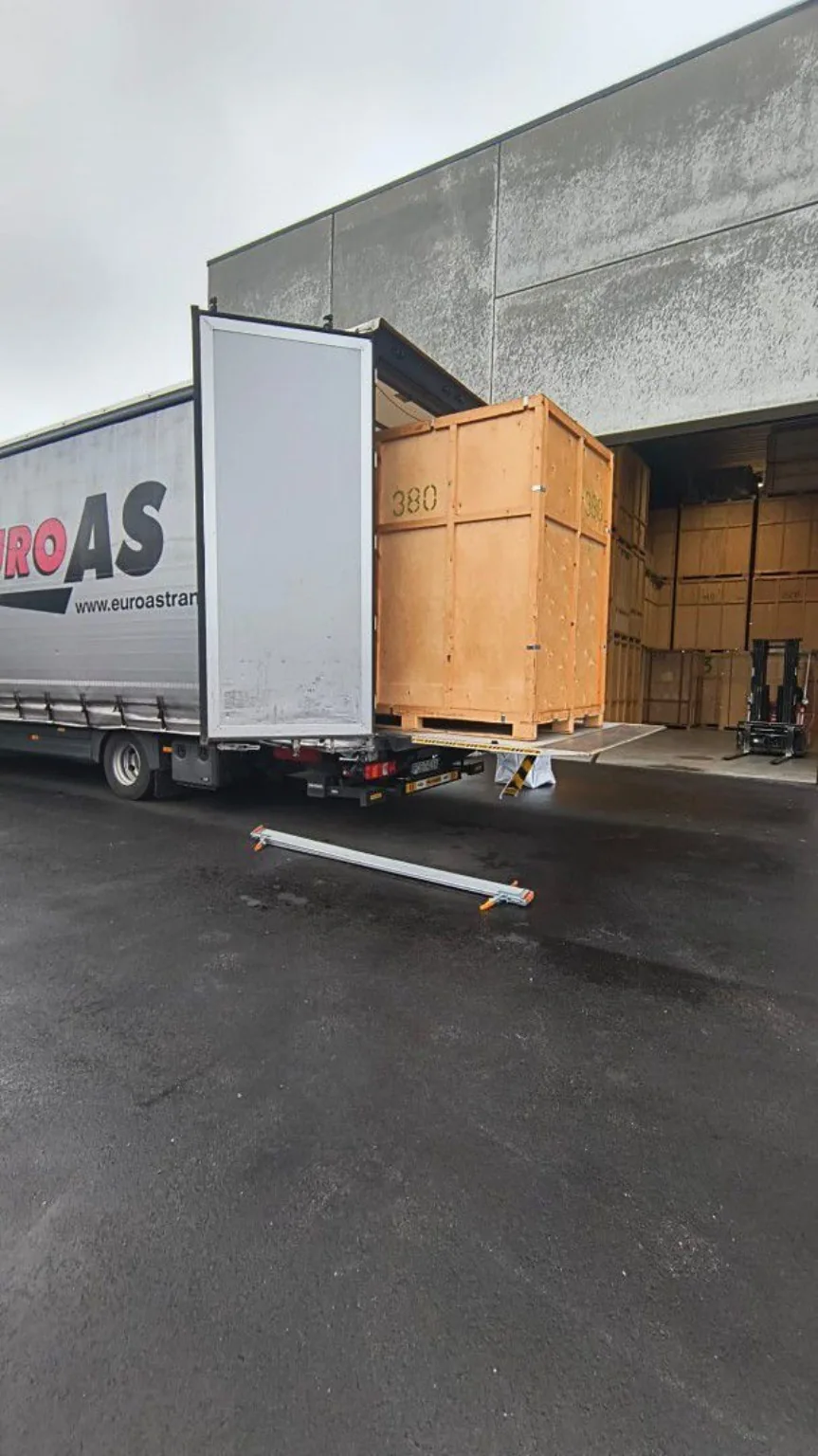
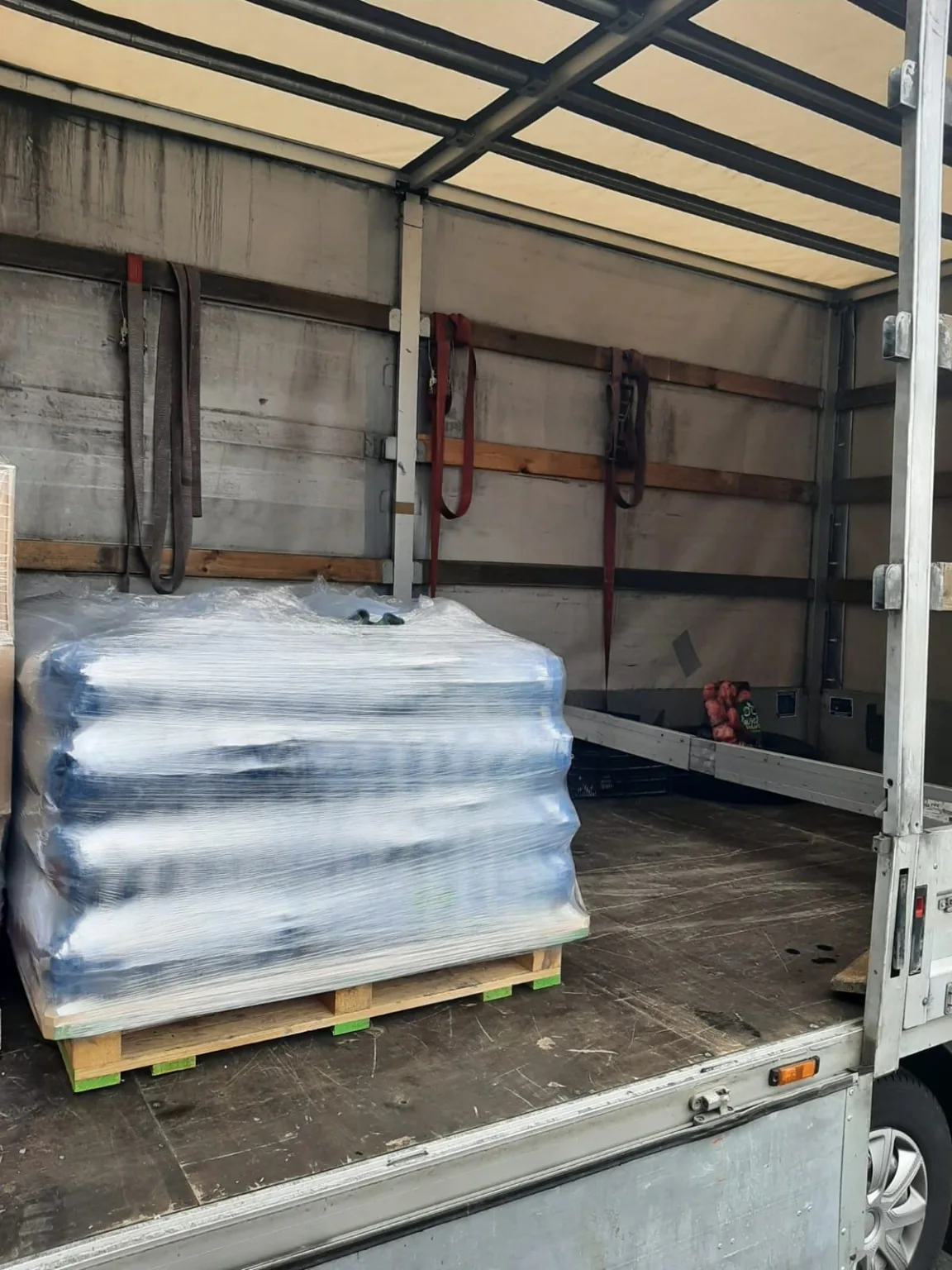
Provide the complete packed dimensions and gross weight of every pallet or crate, including overhang and its base. State whether the unit is stable, can remain upright and has known handling restrictions. A total shipment weight alone does not establish whether the largest individual piece suits the proposed equipment.
Tell me what equipment is available at the sender as well as the receiver. Side loading, a loading bay and an assessed tail-lift arrangement are different requirements. The vehicle, equipment and actual units need to match at both ends; there is no universal tail-lift weight allowance on this page.
Survey the route from stopping position to handover point
Give the lawful unloading position, surface, gradient, kerbs, steps, gates and carrying distance. Photos are useful for showing a private driveway or narrow entrance. A pallet truck cannot be assumed suitable for every surface or route, and the presence of a tail lift does not resolve access beyond the vehicle.
Identify the intended handover location: beside the vehicle, an accessible receiving point or a room inside the property. Explain any restrictions from the property manager. HSE’s UK guidance emphasises advance coordination between the transport and receiving parties; use it as general planning context, not as a substitute for local assessment or equipment training.
Agree the receiver’s role before the vehicle leaves
Confirm who can receive, provide access and identify the goods. If the receiver cannot assist, state that clearly rather than assume the driver can perform any task alone. Additional people, carrying, unpacking and furniture assembly are individually assessed from unit weights and the complete access route.
Do not plan to dismantle a loaded pallet, operate lifting equipment or organise unconfirmed help as an improvised solution on arrival. If the site or unit is unsuitable for the proposed method, discuss another assessed arrangement before accepting the transport offer. A deadline does not make unsuitable equipment appropriate.
Keep equipment, room delivery and timing separate in the offer
Ask the proposal to identify the agreed unloading method and final handover point. Equipment availability is not a promise that every private address can receive every unit. If goods must go upstairs or leave protective packaging, provide the separate item details and internal route for assessment.
Include receiving hours, booked appointments and any known waiting constraint with the first enquiry. A changed pallet size, closed gate or different delivery address can require a revised plan. I coordinate the confirmed scope through 1wayeurope OÜ without assuming a forklift, a fixed crew or automatic indoor delivery.
| Question | Information needed |
|---|---|
| What arrives? | Each packed unit’s full dimensions, gross weight, base and restrictions |
| Where can the vehicle stop? | Actual entrance, lawful space, gates and approach limitations |
| What is the route beyond it? | Surface, gradient, kerbs, steps, distance and final handover point |
| Who receives? | Authorised contact, access, hours and ability to assist |
| What is included? | Confirmed equipment, helpers and any separately requested indoor work |
Practical questions
Can a pallet be assessed for delivery without a forklift?
Yes. Supply the full unit specification and receiving-site information so suitable handling can be considered before confirmation.
Does booking a tail lift include carrying goods upstairs?
No. Indoor handling requires separate item, access and assistance details and must be explicitly agreed.
Is the total load weight enough to choose equipment?
No. Individual unit weights, dimensions, base, restrictions and the actual site conditions are all needed.
Tell me your route and what you need to move. I assess your enquiry personally, with services arranged through 1wayeurope OÜ.
Quick Quote →