
Build an asset register that describes the load
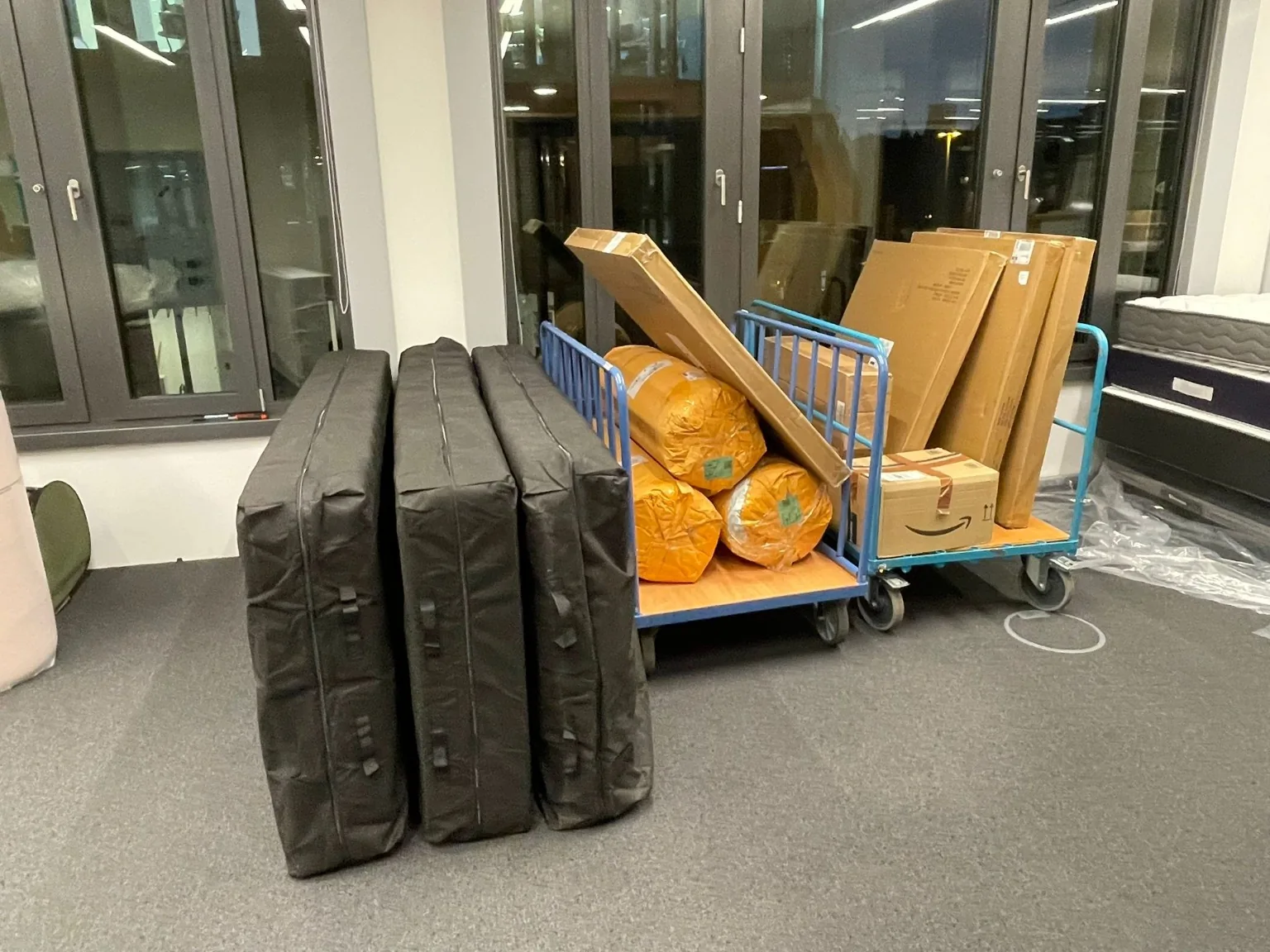
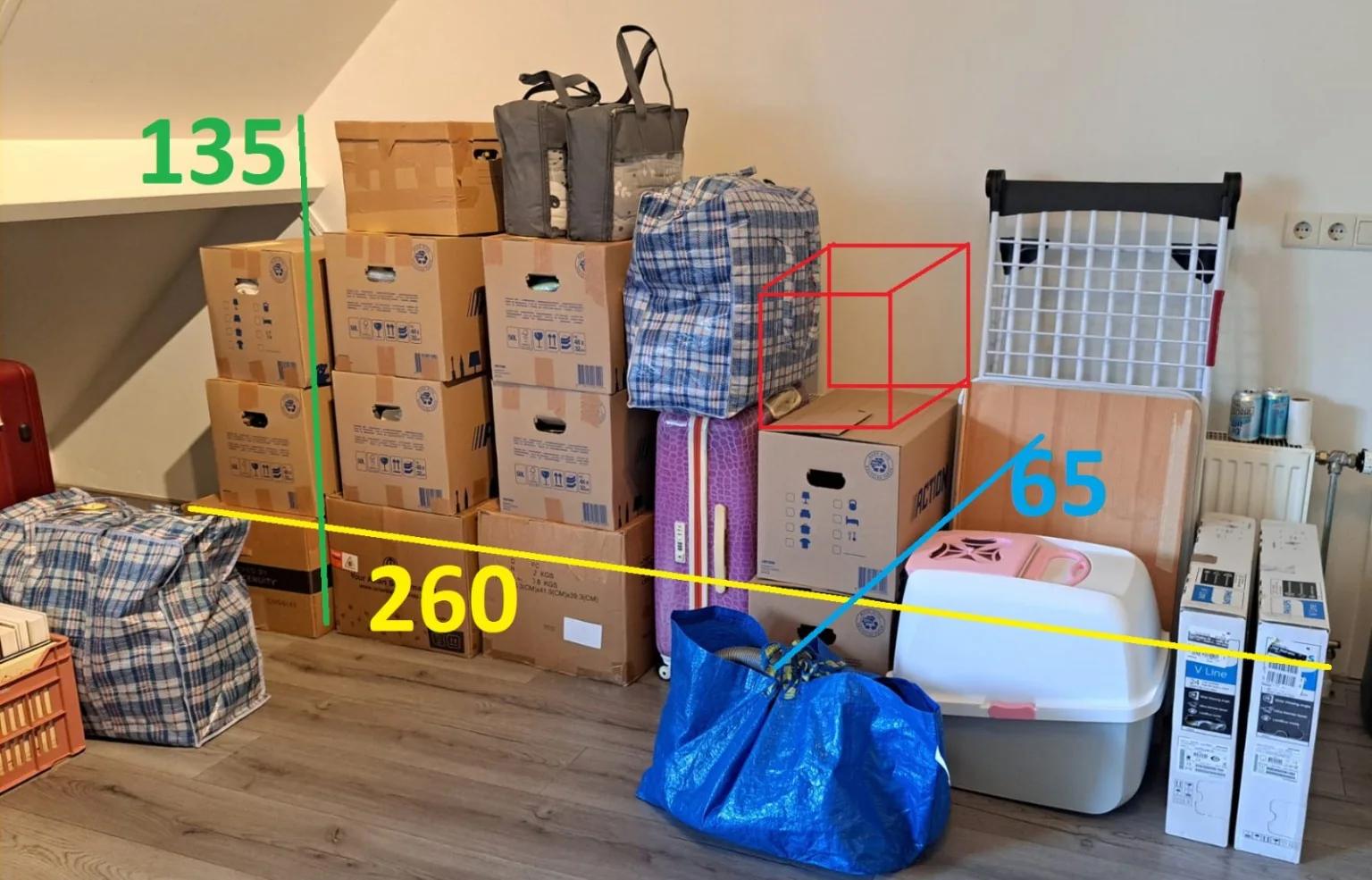
Assign a simple reference to each furniture item or clearly defined group. Record quantity, packed dimensions, approximate weight and whether it travels assembled. Desks with different tops, cabinets with contents and loose chairs should not be reduced to a single employee count or office floor-area estimate.
Add a destination room and a status: move, stay, collect elsewhere or hold for a later phase. Flag heavy or awkward pieces and any parts requiring dismantling. For repeated items, explain whether dimensions and condition really match before applying one specification to the whole group.
Make release dates work with the receiving building
Identify who can release each goods group and when it stops being needed at the old office. Obtain the actual loading entrance, building working hours and lift-booking requirements at both ends. A date agreed internally with staff is not automatically an authorised building or roadside loading appointment.
For a phased move, give a separate collection and receiving window for each phase. Allocate the assets rather than list the same entire office at every stage. If the new site is incomplete, distinguish direct-delivery goods from items needing an individually confirmed partner-storage arrangement.
Label furniture components to the receiving plan
Keep a desk or cabinet reference with its panels, fittings and instructions if dismantling is required. Provide model details and flag missing parts, repairs or previous alterations. Request reassembly item by item and identify the final position; transport of components alone does not define a complete installation task.
Ask the organisation’s responsible staff to prepare equipment, sensitive records and personal items appropriately. Clarify what is packed and who handles technical disconnection or reconnection. Do not put passwords, client records or other unnecessary private data in a public transport enquiry; a physical asset description is usually the useful starting point.
Agree the handover record and change process
Name the authorised receiver, give the room allocation and state what counts as the agreed physical handover. Explain any receiving restrictions before the vehicle is confirmed. Packaging handling, old-furniture removal or a return collection are separate requests, not automatic inclusions in an office move.
Use one current version of the register and mark changes to quantities, addresses, access and dates. Added store-room furniture can alter payload and handling even after the main office is packed. I reassess the proposal against the updated scope rather than assume the original crew and vehicle cover an undefined expansion.
| Asset reference | Load information | Handover information |
|---|---|---|
| Item or group | Quantity, packed size, weight, assembled or dismantled | Origin point and destination room |
| Readiness | Packed, still in use or awaiting preparation | Release contact and collection window |
| Handling | Heavy units, protection and requested furniture work | Lift, floor, carrying distance and assistance |
| Move phase | Direct delivery or separately requested holding stage | Receiving date, authorised receiver and access slot |
| Revision | Changed quantity, missing part or different location | Who confirms the updated scope before dispatch |
Practical questions
Can one department move before the rest of the office?
It can be assessed. Allocate its assets, release and receiving windows, access and any shared equipment separately from later phases.
Is employee headcount enough to select the moving vehicle?
No. Packed items, dimensions, payload, indivisible units and building access determine a useful vehicle and handling assessment.
Does the office move include reconnecting computers?
Specialist IT setup is not assumed. Define the physical goods, preparation responsibilities and explicitly requested furniture work before confirmation.
Tell me your route and what you need to move. I assess your enquiry personally, with services arranged through 1wayeurope OÜ.
Quick Quote →