
Confirm the seller can release the actual item
Ask whether the purchase is agreed, who is authorised to hand it over and what collection windows are genuinely available. Supply the real collection location rather than only the town shown in the advert. A seller being at home does not establish that the furniture is ready to leave or that someone will help carry it.
Tell me if the buyer will be absent and how the item will be identified at handover. Purchase payment, seller authorisation and the transport booking are separate matters. Do not assume the driver will pay the seller, negotiate the purchase or decide whether a different item is an acceptable substitute.
Replace listing measurements with travelling measurements
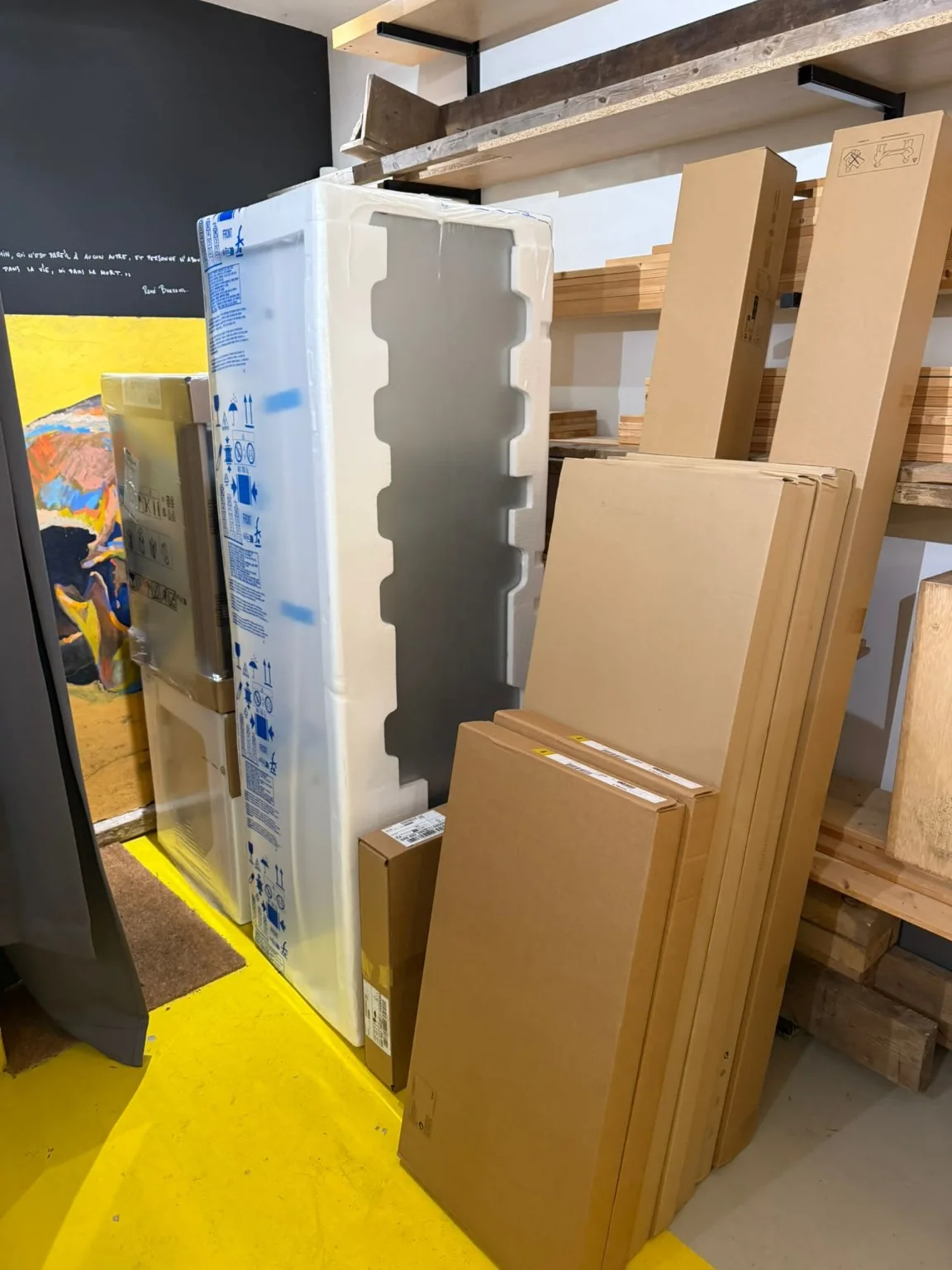
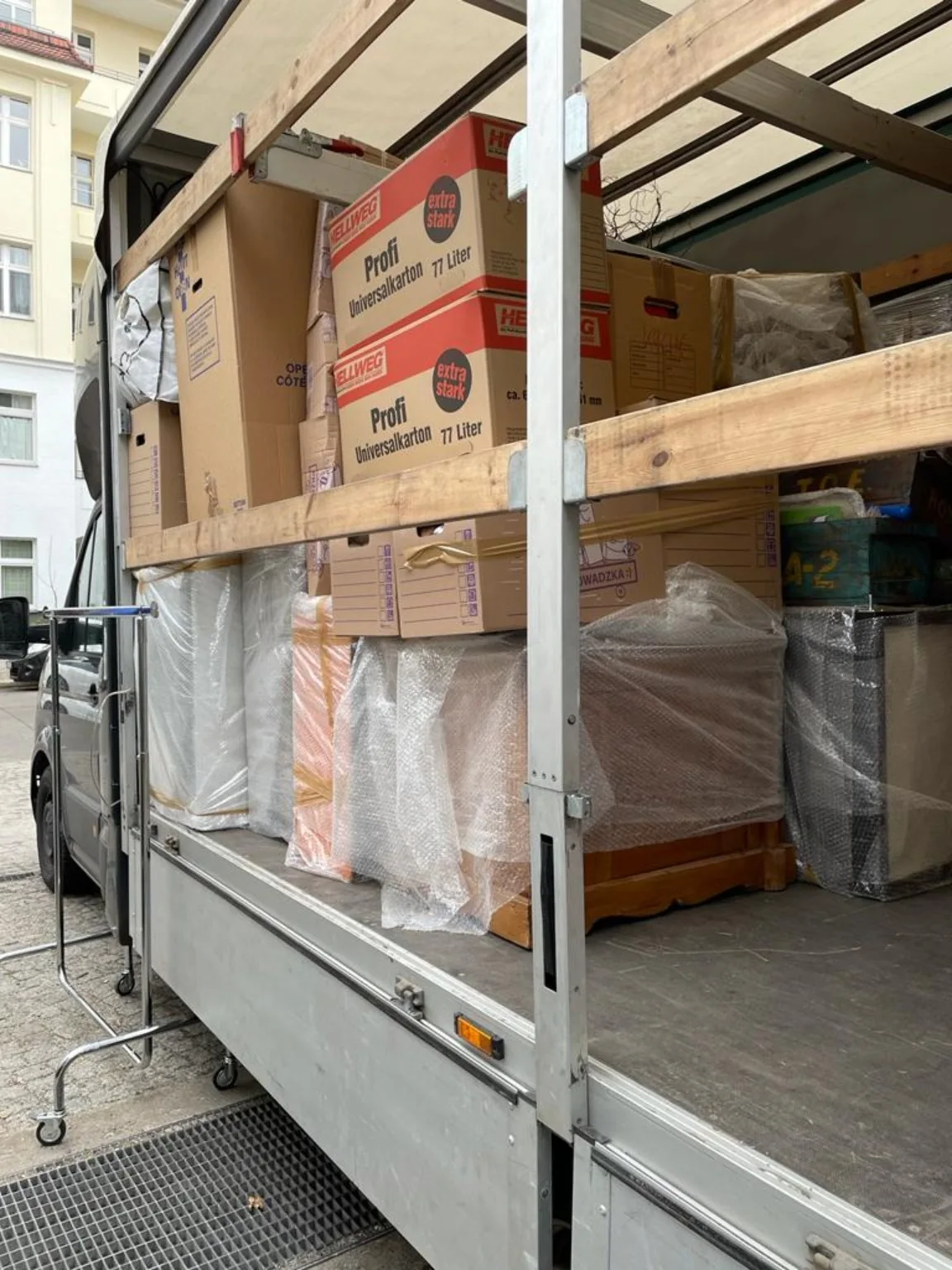
Provide the assembled size and explain how the piece will travel: intact, with legs removed or as labelled panels. Include packaging, the longest rigid component and a credible weight. If dismantling has not happened, mark the figures as provisional; the advertised width alone is not a packed specification.
Use current photos showing the item and its condition, not only a product image. Point out glass, delicate finishes, existing damage, loose parts and anything that must stay upright. Request protection or dismantling explicitly. These details support an assessment; a photo is not a guarantee that a piece can be safely moved or rebuilt.
Ask about the seller’s exit route and your receiving room
For both properties, give floors, doorways, stair turns, lift measurements and the carrying distance from a lawful stopping point. State which assistance the seller and receiver can actually provide. A cabinet may fit the vehicle but not the building exit, so resolve the route before confirming the transport scope.
Distinguish unloading, carrying into a room, unpacking and assembly. If the seller cannot prepare the piece, describe the extra work for assessment before booking. Exterior lifting, building alterations, specialist installation and removal of old furniture are not assumed alternatives when access is difficult.
Keep every seller and item in one current collection plan
For several purchases, identify each sender, the goods located there and its release window. Provide the final receiving address and the earliest date it can accept the furniture. Do not treat a second seller as an automatic stop just because it appears close on a map.
Once an offer is agreed, report a changed item, missing fittings or a different address before collection. These changes can affect vehicle fit, assistance and timing. I confirm what can be arranged through 1wayeurope OÜ; no fixed marketplace-pickup price, local crew or universal collection time is promised.
| Field | Ask the seller or receiver |
|---|---|
| Release | Authorised person, item reference, agreed collection window and actual entrance |
| Travelling item | Packed length, width, height, weight and dismantling status |
| Condition | Current photos, known damage, loose parts and protection needed |
| Access and people | Floors, lifts, stairs, stopping distance and available help at both ends |
| Final handover | Delivery address, receiving date, room placement and assembly requested |
Practical questions
Can transport be assessed before I buy the furniture?
Yes. Send the listing and available details, identifying what is still provisional. Confirm the purchase, travelling specification and release arrangements before accepting a final transport plan.
Will the driver pay or inspect the purchase for me?
Do not assume that. Purchase payment and acceptance remain separate from the transport task; any requested handover duties require explicit agreement.
Can a private-seller collection include carrying upstairs at delivery?
Request it with the individual weight, packed size and complete route to the receiving room. Assistance is assessed at each end, not inferred from the listing.
Tell me your route and what you need to move. I assess your enquiry personally, with services arranged through 1wayeurope OÜ.
Quick Quote →